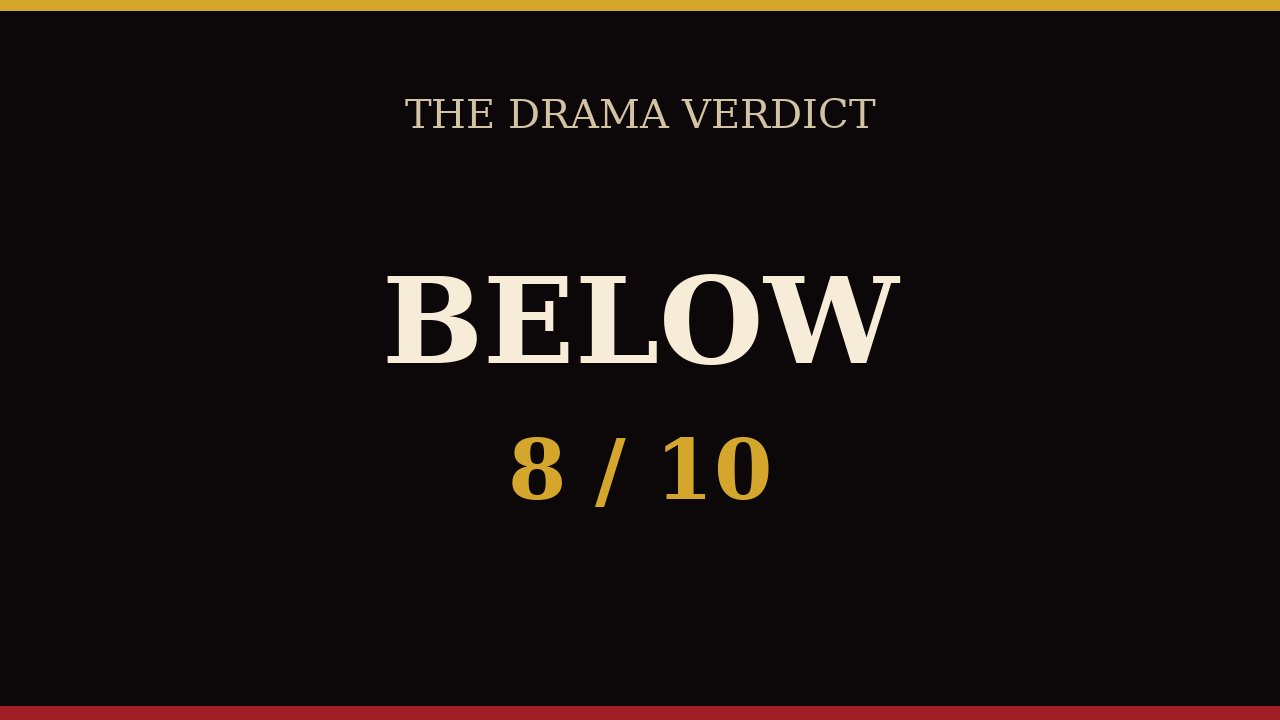
9/ 10
The camera changes the marriages it films: patient, masterful, demanding, 9/10
The Verdict
Nothing here rushes. Possible Love follows two married couples brought together by a documentary about laid off workers, and slowly turns its attention to the person holding the camera and the choices she makes about their lives.
What Works
Lee Chang dong returns eight years after Burning with complete control of tone and detail. The camera is treated as a participant, not a neutral witness, choosing where to stand, what to ask, and what to leave outside the frame.
What Doesn't
The demands are real and should not be softened. At 164 minutes in Korean with subtitles, it asks for patience, its ending refuses to provide answers, and viewers remain split over how it handles the class gap between the couples.
Is It Worth Watching?
At 9 out of 10, yes, for the right night. Critics stand at 98 percent on Rotten Tomatoes and 95 on Metacritic, it won the Silver Lion at Venice, and South Korea has sent it to the Oscars, but prestige is not why it works. Attention is.
Who Should Watch It?
Give it a clear evening if you value observation over twists and can let a marriage drama unfold at its own pace. Leave it for another time if subtitles plus a slow build will pull you out of the room.
Final Verdict
When someone agrees to be filmed, do they also give the filmmaker the right to shape their story? Possible Love never answers that cleanly, and its refusal to pretend otherwise is why the film stays with you.